1 option
Gender and modernity in Spanish literature : 1789-1920 / Elizabeth Smith Rousselle.
Van Pelt Library PQ6073.M6 S65 2014
Available
- Format:
- Book
- Author/Creator:
- Smith Rousselle, Elizabeth, author.
- Language:
- English
- Subjects (All):
- Spanish literature--History and criticism.
- Spanish literature.
- Modernism (Literature)--Spain.
- Modernism (Literature).
- Spain.
- Women and literature--Spain.
- Women and literature.
- Gender identity in literature.
- Genre:
- Criticism, interpretation, etc.
- Physical Description:
- x, 232 pages ; 23 cm
- Edition:
- First edition.
- Place of Publication:
- New York, NY : Palgrave Macmillan, 2014.
- Summary:
- "This book explores major Spanish women and men writers' reactions to manifestations of modernity such as Spain's waning power, the changing roles of women, the male hysteric, positivism, dream research, secularization, the advances of science, the uneven development of Spanish feminism, the dominance of the discourse of motherhood, and the transformation of the Don Juan figure. The book juxtaposes works by one female and one male author in each of the eight chapters, surveying literature beginning in the often-ignored Spanish Enlightenment, continuing to the nineteenth century of Romanticism and Realism, and ending in the early twentieth century of Modernism. The concept of modernity in Spain is explored from various vantage points including those of philosophical, theological, psychoanalytic, and sociological theorists as well as socio-historic contexts. Influential female and male writers of Spain demonstrate how disillusion in the face of modernity varies according to gender in a process of 'gendered disillusion.' "-- Provided by publisher.
- Contents:
- Part I Disillusion and Optimism in the Age of Enlightenment 15
- 1 (Dis)Order: Writing Spain's Chaos in José Cadalso's Cartas Marruecas and Righting Spain's Wrongs in Josefa Amar y Bonbón's Discurso sobre la educación fisicay moral de las mujeres 17
- 2 Decorum and Love in the Spanish Enlightenment: José Mor de Fuentes's La Serafina and María Lorenza de los Ríos's La sabia indiscreta 37
- Part II (Dis)Enchanted Passion and Critique in Contexts of Romanticism and Realism
- 3 Masculine Extremes: The (Anil) Flâneur and Male Hysteric in Articles by Mariano José de Larra and Short Novels by Rosalía de Castro 59
- 4 Religion, Race, Class, and Gender in the Age of Positivism: Female Empowerment in Fernán Caballero's Simón Verde and Female Uselessness in Benito Pérez Galdós's Marianela 85
- Part III Psychological, Artistic, and Spiritual Allusions and (Dis) Illusions before and after the Disaster of 1898
- 5 Solipsistic Inertia: Decadent Dreams in Leopoldo Alas's Su único hijo and Emilia Pardo Bazán's La quimera 103
- 6 The Spiritual Solution: Mysticism as a Means to Individual Authenticity and Optimism in Benito Pérez Galdós's Nazarín and Emilia Pardo Bazán's Duke Dueño 119
- Part IV Symbols of (Dis)Illusion in the Early Twentieth Century 135
- 7 Lamenting the State of Science and Feminism: Negative Secularism in Pío Baroja's El árbolde la ciencia and Ambiguity in Carmen de Burgos's El Perseguidor 137
- 8 Maternal Abjection and the Death of Don Juan in Blanca de los Ríos's Las hijas de Don Juan and Miguel de Unamuno's Dos madres 153.
- Notes:
- Includes bibliographical references and index.
- ISBN:
- 9781137442031
- 1137442034
- OCLC:
- 881655924
- Online:
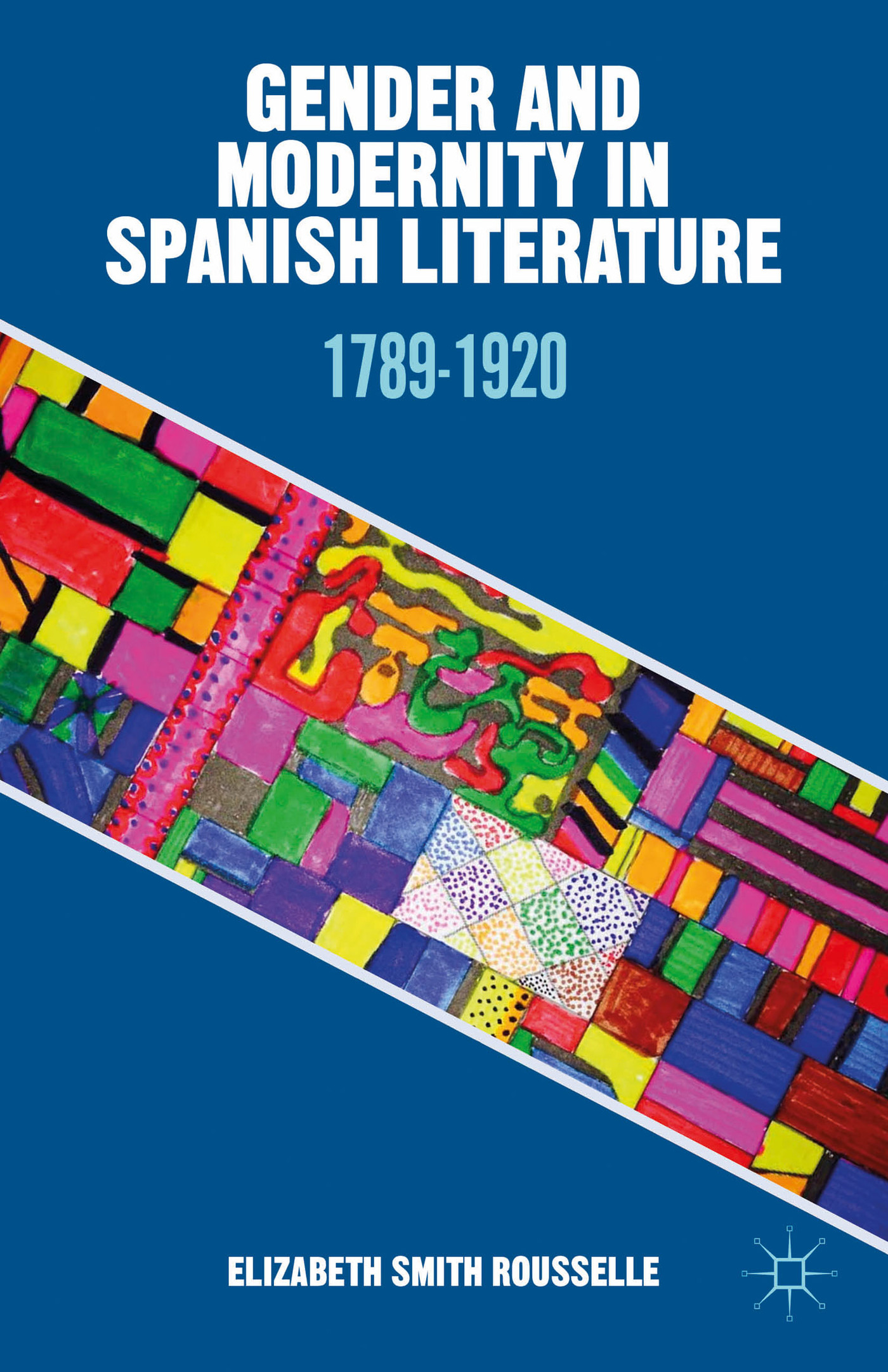
- Cover image
The Penn Libraries is committed to describing library materials using current, accurate, and responsible language. If you discover outdated or inaccurate language, please fill out this feedback form to report it and suggest alternative language.